



Supporting Recovery from Depression After a Psychological Shock: The Transformational Journey of Ms. Vũ Thị Bích
From prolonged emotional suppression to emotional release through the “Awakening New Vitality” program.
SECRET OF THE EMOTIONAL RELEASE METHOD FOR HEALING DEPRESSION

Ms. Vu Thi Bich, a business owner in Cau Giay, Hanoi, once experienced a psychological shock that affected her life and health for a long period. Feelings of melancholy, boredom, anger, resentment, and psychological obsession not only existed in her thoughts but also weighed heavily on her daily life.
After participating in the "Igniting a New Vitality" course by Psychologist & Therapeutic Hypnotherapist Nguyen Manh Quan, Ms. Bich shared that she had undergone a tremendous change in her emotions, spirit, and outlook on life.
"Quan, I thank you so, so much! Thanks to you, I feel like I have changed my entire being. I once again thank you and the Body-Mind Center for giving me and everyone in the course a priceless gift."
Depression and psychological shock: what can happen inside a person?
According to the World Health Organization, depression is a common mental disorder, different from usual mood fluctuations, which can affect relationships, work, studies, and every aspect of life. The WHO also notes that people who have experienced serious loss, stressful events, or trauma are at higher risk for depression. (World Health Organization) [https://www.who.int/news-room/fact-sheets/detail/depression]
The U.S. National Institute of Mental Health states that depression can cause severe symptoms affecting how a person feels, thinks, and handles daily activities such as sleeping, eating, or working; genetic, biological, environmental, and psychological factors can all contribute to depression. (National Institute of Mental Health) [https://www.nimh.nih.gov/health/topics/depression]
In Ms. Bich's case, the psychological shock did not just create temporary sadness. Prolonged suppressed emotions can become an inner "knot": the more one tries to forget and endure, the more pressure the body and mind must bear.
Why is the advice "just forget it" often not enough?
Many people who experience trauma are often advised: "Let it go," "Don't think about it anymore," "Time will heal." This advice may come from good intentions, but with deep psychological shocks, intellectual understanding does not mean the emotions have been released.
A person may say they have forgiven, forgotten, and returned to normal, but their body still reacts: insomnia, fatigue, aches, restlessness, irritability, difficulty concentrating, or a vague feeling of heaviness. This shows that incompletely processed emotions can continue to operate in the form of body-mind responses.
The WHO recommends that depression has effective treatments, including psychological therapy and medication when appropriate; psychological therapy can help patients learn new ways of thinking, coping, and relating to others. (World Health Organization) [https://www.who.int/news-room/fact-sheets/detail/depression]
The role of EFT in emotional release
In the video, Ms. Bich is described as having practiced the EFT method in the "Igniting a New Vitality" course to help release years of pent-up melancholy, boredom, anger, and psychological inhibition.
EFT is commonly known as a method combining focus on emotions, using setup phrases, and gentle tapping on certain points on the body. In the course context, EFT is used as a tool to help identify and release stuck emotions, helping students not only "talk about the pain" but also feel, name, and gradually dismantle emotional responses embedded deep in the body.
However, it is important to understand correctly: EFT and mind-body methods should be considered supportive approaches, not replacements for medical diagnosis, treatment, medication, or intensive psychological therapy when a learner has severe depression, self-harm thoughts, psychosis, or crisis risk.
The experiential scene: when emotions are named and the body begins to feel lighter
Imagine a person who has held onto anger for many years. Outwardly, they still work, socialize, care for family, and maintain a strong image. But inside is a simmering current of emotion: disappointment, hurt, frustration, resentment, and a feeling of being unable to let go.
When starting to practice, the guide does not ask the learner to "forgive immediately" or "think positively immediately." Instead, the learner is invited to observe the actual sensations in their body: heaviness in the chest, tightness in the throat, heat in the face, tension in the shoulders, pain in the head, or an empty feeling in the stomach.
When the emotion is named: "I am frustrated," "I am angry," "I am still in pain," the body begins to receive a different signal: this emotion no longer needs to be suppressed, no longer needs to be pretended away. Through each round of EFT practice, the emotional intensity may gradually decrease. The learner begins to breathe more deeply, shoulders drop, eyes soften, voice slows.
The crucial turning point is not denying the past, but reclaiming freedom from old reactions. A memory may still exist, but it no longer controls the entire present as it once did.
Ms. Bich's story: the value of a transformative experience
What is notable in Ms. Bich's sharing is not just her gratitude, but the feeling of "changing my entire being." For those who have carried a heavy psychological shock, the greatest change often begins at the moment they realize: they do not have to live their whole life in the same pain.
She writes: "Quan, I know there are still so many people waiting for your miracle. I vow from my heart to share with everyone the value of hypnosis so that they can enjoy the same benefits I have received."
This is a personal testimony, not a medical conclusion for everyone. But it shows something very real: when a person is listened to, properly guided, and introduced to appropriate methods, they can begin to open a new path for their mental health.
Scientific perspective: emotions, stress, and body-mind health
Depression is not just "being very sad." According to the WHO, a depressive episode may include depressed mood, loss of interest, poor concentration, excessive guilt or low self-worth, hopelessness, sleep disturbances, appetite changes, fatigue, and in some cases thoughts of death or suicide. (World Health Organization) [https://www.who.int/news-room/fact-sheets/detail/depression]
The NCCIH, a center within the U.S. National Institutes of Health, describes relaxation techniques as practices that help produce the body's "relaxation response," often accompanied by slower breathing, lower heart rate, and opposite to the stress response. NCCIH lists methods such as progressive muscle relaxation, guided imagery, self-hypnosis, and breathing exercises as common relaxation techniques. (NCCIH) [https://www.nccih.nih.gov/health/relaxation-techniques-what-you-need-to-know]
This aligns with the orientation of mind-body programs: when the nervous system is calmed, the body is less tense, breathing deepens, and emotions are processed more safely, people can have a stronger foundation for recovery.
When to seek professional help?
If a person has prolonged depressive symptoms, severe insomnia, inability to work, loss of interest in living, thoughts of self-harm, or feelings of hopelessness, they should contact a doctor, clinical psychologist, psychiatrist, or emergency support services. The WHO recommends that people with depressive symptoms seek professional care; if there are suicidal thoughts or self-harm risk, contact emergency services or a local crisis helpline. (World Health Organization) [https://www.who.int/news-room/fact-sheets/detail/depression]
Methods such as EFT, hypnotherapy, deep relaxation, NLP, or mind-body self-care can play supportive roles, but should not be used to delay professional treatment when the condition is severe.
The message from this story
The story of Ms. Vu Thi Bich is a personal testament to the possibility of transformation when a person dares to face stuck emotions, rather than continuing to bury them. A psychological shock may leave deep marks, but that mark does not have to become a life sentence.
With proper guidance, a safe environment, and correct practice methods, learners can begin to release heavy emotional layers, understand themselves more deeply, and gradually regain inner peace.
Related course: Haruva – Igniting a New Vitality
Practice methods: EFT, deep relaxation, applied hypnosis, emotional release, body-mind health care
References
- World Health Organization. (2023). Depressive disorder (depression). https://www.who.int/news-room/fact-sheets/detail/depression
- National Institute of Mental Health. (2024). Depression. https://www.nimh.nih.gov/health/topics/depression
- National Center for Complementary and Integrative Health (NCCIH). (2021). Relaxation Techniques: What You Need To Know. https://www.nccih.nih.gov/health/relaxation-techniques-what-you-need-to-know
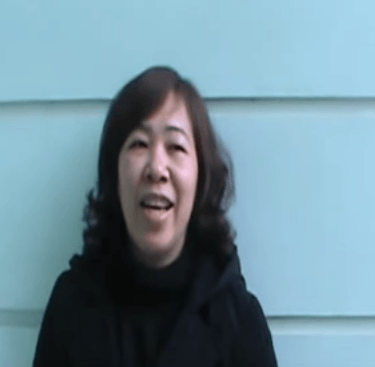

“I know that there are still many people whose lives can be helped through the work you are doing.”
“From the bottom of my heart, I want to share with others the value I discovered through hypnosis, so that they too can experience the positive changes and benefits that I have experienced.”
Under the Vietnam Federation of UNESCO Associations, the center trains special methods to improve health, prevent and support treatment of physical and mental issues, and provides training in learning methods, thinking, and applied psychology for communication, business, negotiation, and sales.
© 2026 Trị Bệnh Không Dùng Thuốc. All rights reserved.
Heal your spirit
Contact
Address: Cultural and Sports Center, Yen Phu Ward, No. 1/15, Alley 189 An Duong Street, Tay Ho District, Hanoi.
Hotline: 0904.606.965